

Marrakesh cinnamon coffee is not a flavoring trick or a seasonal novelty. When you open a bag of SAFAR's Marrakesh blend for the first time, the scent that rises to meet you is warm, complex, and unmistakably intentional, the kind of aroma that tells you someone made a series of very deliberate choices before this coffee ever reached your hands. This is a blend built from a specific vision of what spiced coffee can be when craft, origin awareness, and cultural reverence come together in a single roast.
A Blend With a Point of View
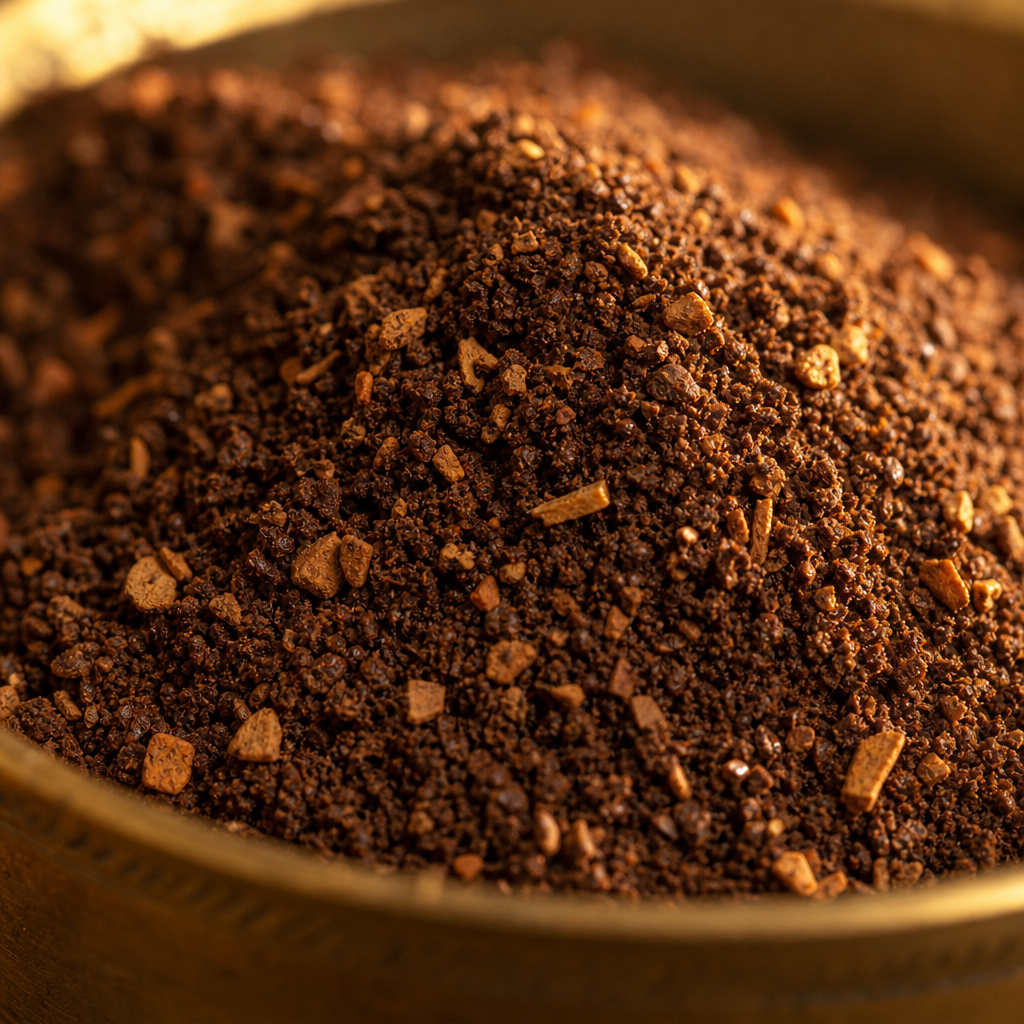
Every coffee blend tells you something about the people who made it. The SAFAR Marrakesh blend tells you that its founders have sat in medina cafes in North Africa, watched the slow pour of spiced coffee into small glasses, and understood that the addition of cinnamon in that tradition was never an afterthought. It was a form of hospitality, a way of saying that this cup was made with intention and offered with warmth. SAFAR carried that understanding into a specialty coffee context without diluting either the tradition or the quality of the base coffee.
The blend starts with carefully selected Arabica beans chosen for their natural sweetness and depth. These are not anonymous commodity beans dressed up with spice to mask mediocrity. The coffee itself is roasted to a profile that preserves brightness and body in equal measure, creating a foundation that can support the cinnamon without being overwhelmed by it. This is a harder balance to strike than it sounds. Too light a roast and the spice floats on top, disconnected. Too dark and the bitterness fights the cinnamon rather than complementing it. SAFAR's roast sits in a considered middle space where the two elements move together.
What makes the Marrakesh blend distinctive is its refusal to be one-dimensional. The cinnamon is present from the first sip, but it unfolds gradually rather than announcing itself at full volume. You taste the coffee first, the way you would with any well-made specialty cup, and then the spice arrives in the mid-palate, adding warmth and a faint sweetness that lingers into a clean, rounded finish. It is layered in the way that good food is layered, where each element earns its place.
The Role of Cinnamon in the Cup
To understand what cinnamon contributes to the Marrakesh blend, it helps to think of it not as an ingredient added on top of coffee but as an element woven through it. In the spiced coffee traditions of Morocco and the wider Arab world, cinnamon has long served a specific sensory function. It softens bitterness, adds a natural sweetness without sugar, and introduces a warmth that makes the drink feel nourishing rather than merely stimulating. SAFAR's approach to the Marrakesh blend honors that function precisely.
The cinnamon used in the blend is selected for quality and aromatic intensity. There is a significant difference between the highly aromatic, almost floral quality of true Ceylon cinnamon and the sharper, more astringent character of cassia, which is often sold under the same name. SAFAR's sourcing leans toward varieties that contribute warmth and sweetness rather than harshness, ensuring that the spice enhances the coffee's natural flavor compounds rather than competing with them. The result is a cup that reads as complex rather than simple, spiced rather than sweetened.
When cinnamon is introduced at the grinding and blending stage rather than sprinkled on top of a finished drink, it integrates into the extraction process itself. As hot water moves through the grounds, it carries the cinnamon's soluble compounds into the cup alongside the coffee's oils and acids. This means you are not tasting two separate things at once. You are tasting one unified experience, and that unity is exactly what distinguishes the Marrakesh blend from the habit of shaking cinnamon powder onto a latte.
Nomadic Roots, Specific Craft
SAFAR was founded by people who moved, who crossed regions and absorbed cultures not as tourists but as genuine participants in daily life. The brand name itself, the Arabic word for journey, reflects a philosophy that good coffee is inseparable from the context in which it was created and shared. The Marrakesh blend is not named after a city for marketing atmosphere. It is named after a city because the spirit of that city, its layered sensory life, its medinas full of scent and sound, its tradition of hospitality expressed through small cups of intensely flavored coffee, genuinely shaped how this product was conceived.
That nomadic foundation is also why SAFAR operates from Thailand rather than from a European capital or a North American city. Southeast Asia has its own deep coffee culture, its own traditions of warmth and community built around shared drinks, and the founders recognized that the spiced coffee of North Africa and the Middle East could find a natural and meaningful home in this part of the world. The Marrakesh blend is not an import pretending to belong. It is a genuine cross-cultural conversation between two regions that both understand coffee as more than caffeine delivery.
This matters when you drink the blend because it means every decision made during development was informed by actual experience of spiced coffee in its original context. The balance of the roast, the choice of cinnamon, the grind profile, all of it reflects the memory of what a well-made spiced coffee actually tastes like when prepared by someone who has been making it for decades in the right setting. SAFAR is translating that memory into a form that works beautifully in a Bangkok apartment, a Chiang Mai cafe, or a hotel room in Phuket.
Brew It with SAFAR
The Marrakesh blend is designed to perform well across multiple brewing methods, which reflects a practical generosity in its development. For a fuller, more immersive experience, the Marrakesh Cinnamon Blend, available as ground coffee starting at ฿495, works beautifully in a French press, where the longer steeping time allows the cinnamon's aromatic compounds to fully integrate into the cup. Use water just off the boil, around 93 to 95 degrees Celsius, and allow four minutes of steeping before pressing slowly. The result is a cup with notable body, warmth, and a finish that stays with you well past the last sip.
For pour-over brewing, the Marrakesh blend rewards a medium-slow pour that gives the grounds time to bloom fully. The cinnamon contributes a slight natural sweetness that makes the cup approachable without milk, though a small pour of warm whole milk or oat milk creates something closer to the spiced cafe au lait tradition of North African coffee houses. If you prefer your coffee cold, brewing a double-strength pour-over over ice preserves the cinnamon's brightness beautifully and produces a refreshing drink that still carries all the complexity of the hot version.
When convenience matters without compromising on quality, the Marrakesh Coffee Drip Bag, starting at ฿60 per bag, delivers the same blend in a single-serve format that travels as well as the founders who inspired it. Hang the drip bag over your cup, pour water at the same temperature, and allow it to drip through without rushing. The experience is meditative in the best sense, a small daily ritual that connects an ordinary moment to something much larger in origin and meaning. Order yours at safar.coffee and taste the difference for yourself.