

If you have ever wondered how to brew spiced coffee the way it is made in the souks of Marrakesh or the quiet courtyards of a riad at dawn, the answer begins not with a recipe but with an understanding of how spice and coffee speak to each other. The moment ground cinnamon or cardamom meets hot water alongside freshly ground coffee, something almost alchemical happens: the aromatic oils from each ingredient intertwine, deepening the cup's body, softening its bitterness, and leaving a warmth on the palate that lingers long after the last sip. This is not novelty for its own sake. This is a centuries-old craft, and once you understand its principles, you can bring it home with confidence.
Choosing the Right Spices for Spiced Coffee
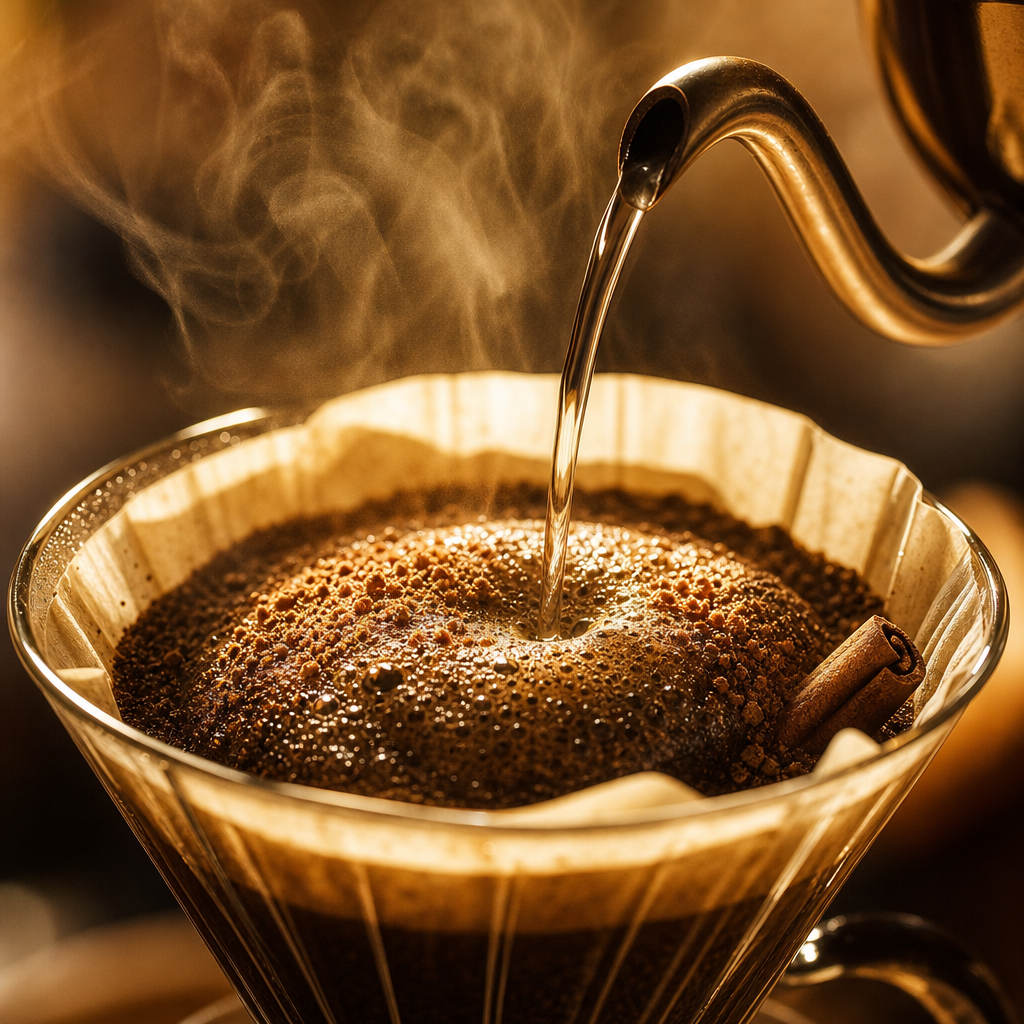
The foundation of any well-brewed spiced coffee is the quality and proportion of the spices themselves. Not all cinnamon is created equal. Ceylon cinnamon, sometimes called true cinnamon, carries a delicate, floral sweetness that complements coffee without overwhelming it, while the more common Cassia cinnamon brings a sharper, more assertive heat. Cardamom, the green-podded spice beloved across the Arab world and South Asia, adds a eucalyptus brightness that cuts through the richness of darker roasts and makes a cup feel both complex and refreshing. Cloves, used sparingly, introduce depth and a faint smokiness. The secret professional spiced coffee makers rely on is restraint: spices should enhance the character of the coffee, not mask it.
Freshness matters enormously here. Pre-ground spices sold in supermarkets have often sat in jars for months, their essential oils already fading. Whenever possible, source whole spices and grind them yourself just before brewing. A small dedicated spice grinder or even a mortar and pestle will reward your cup with an intensity of aroma that pre-ground powder simply cannot match. That first bloom of scent when the ground spice hits hot water is a reliable indicator of how vibrant your final brew will taste.
The ratio to start with is roughly a quarter teaspoon of your chosen spice blend per twelve grams of ground coffee, though this is a living measurement rather than a rigid rule. Brewing is a dialogue, and your own palate is the final arbiter. Some prefer a whisper of spice in the background; others want it to step forward and take the lead. Begin conservatively and adjust across subsequent brews until the balance feels exactly right for you.
Brewing Methods That Work Best with Spiced Coffee
Different brewing methods interact with spice in meaningfully different ways, and understanding this will help you get the most from your ingredients. The French press is one of the most forgiving and expressive methods for spiced coffee at home. Because the grounds steep directly in water for several minutes before being pressed, spice oils have ample time to fully extract and integrate into the cup. The result is a full-bodied, immersive brew with a velvety texture that carries spice beautifully from first sip to last. Add your spice directly to the ground coffee before blooming with hot water, and you will find the flavors emerge in a gradual, layered way rather than all at once.
Pour-over methods, including the V60 and Chemex, offer a cleaner, more precise spiced coffee experience. Because water moves through the grounds quickly and the paper filter catches oils and fine particles, the resulting cup is brighter and lighter in body. Spice notes tend to present as distinct top notes rather than integrated warmth, which suits those who want a more refined, tea-like expression. If you prefer this style, try blooming the grounds with a small amount of water first and allowing the spice to fully hydrate before continuing the pour. This step encourages even extraction and prevents pockets of uneven flavor.
The stovetop method, closest to the traditional Middle Eastern approach of brewing coffee in a dallah or a small pot over direct heat, produces something wonderfully different. Simmering the coffee and spice together in water before straining yields a rich, almost syrupy concentrate with deeply integrated flavors. This method is less about precision and more about presence: it asks you to stand at the stove, watch the foam rise, and remove the pot from heat at exactly the right moment. It is slower, more meditative, and the results are unlike anything a modern brewer can replicate.
The Tradition Behind Spiced Coffee and Why It Still Matters
Spiced coffee did not emerge as a lifestyle trend or a seasonal menu item. It developed over centuries as a meaningful cultural practice across North Africa, the Arabian Peninsula, and the Levant, where coffee was never simply a caffeine delivery mechanism but a ritual of hospitality, conversation, and community. In Morocco, spices like ginger and cinnamon were added to coffee not merely for flavor but because they were understood to have warming, digestive, and restorative properties that made a cup of coffee feel like an act of care, something offered to a guest or shared among family as a gesture of welcome.
This context matters when you brew at home because it shifts the frame from task to ritual. When you grind your spices fresh, when you bloom your grounds with intention, when you pour slowly and watch the brew develop, you are participating in something much older than the specialty coffee movement. The nomadic founders of SAFAR understood this implicitly: that coffee brewed with spice carries memory, culture, and meaning in every gram. Bringing these traditions into a home kitchen in Bangkok or Chiang Mai or anywhere else in the world is not appropriation. It is the natural continuation of a journey that has always crossed borders.
Understanding the history also helps you make better brewing decisions. Traditional spiced coffee was rarely made with light-roasted, single-origin beans prized for their delicate fruit notes. It was made with medium to dark roasts whose natural boldness could stand up to the intensity of cardamom and cinnamon. If you are working with a very light, acidic coffee, you may find that spice addition feels incongruent. A medium roast with chocolate or nutty undertones will harmonize far more naturally, letting both the coffee and the spice rise together without competing.
Brew It with SAFAR
If you would rather skip the trial and error of balancing your own spice ratios from scratch, the Marrakesh Cinnamon Blend, starting at ฿495, has already done that work for you. SAFAR's founders spent years traveling through Morocco and the wider Arab world, tasting, studying, and refining, before arriving at a blend where Ceylon cinnamon and carefully selected coffee come together in a ratio that feels effortless to brew and extraordinary to drink. The spice is integrated into the grind itself, which means every dose you measure out is perfectly balanced from the first gram to the last.
To brew it at home like a professional, start with water just off the boil, around 93 to 95 degrees Celsius. Use approximately fifteen grams of the blend per two hundred and fifty milliliters of water. If you are using a French press, add the grounds, bloom with a small pour for thirty seconds, then fill slowly and steep for four minutes before pressing. For pour-over, pour in concentric circles and allow each addition of water to fully drain before the next. In both cases, you will notice the cinnamon's aroma before the cup is even finished brewing. It rises with the steam and signals something good is coming.
For those who want spiced coffee anywhere without any equipment at all, the Marrakesh Coffee Drip Bag, starting at ฿60 per bag, is the most direct path from intention to cup. Hang it over your mug, pour hot water slowly, and within two minutes you have a fully realized spiced coffee with no grinder, no scales, and no cleanup required. It is the same blend, the same craft, made accessible for hotel rooms, office desks, and early mornings when the world has not quite caught up yet. Order yours at safar.coffee and taste the difference for yourself.